21.01.2020, Santiago, Chile, the day after my return from the Bulgarian Antarctic Base "St. Kliment Ohridski", Livingston Island
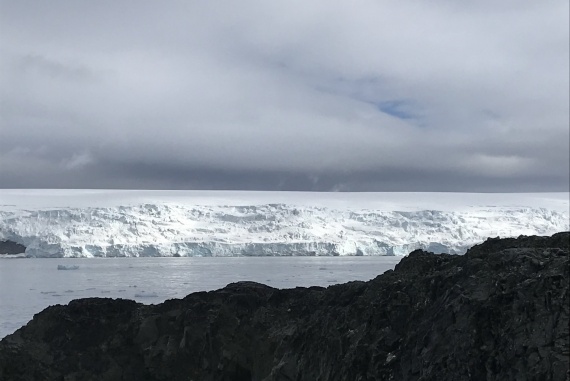
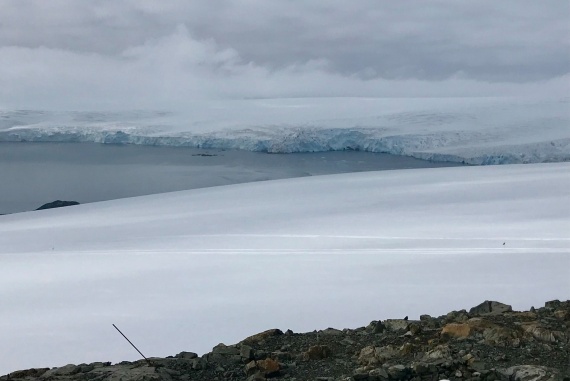
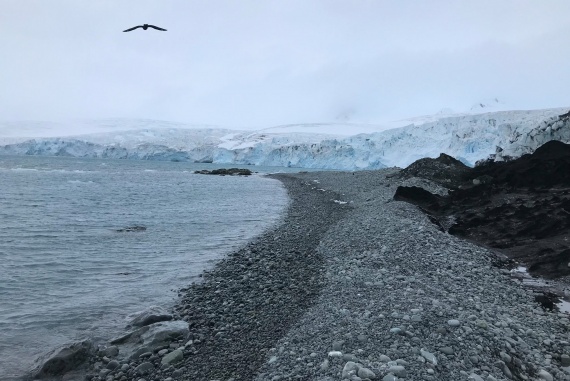
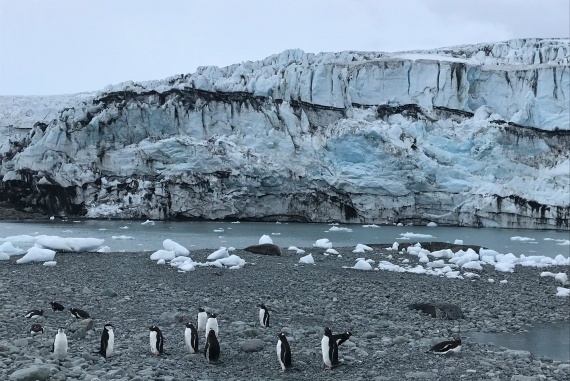
The horizon – a glacier that "closes" the entire left side of the bay.
The shoreline – rocky, a series of beaches interrupted by rocky sectors entering the water. Тhey form the entire right bank of the bay.
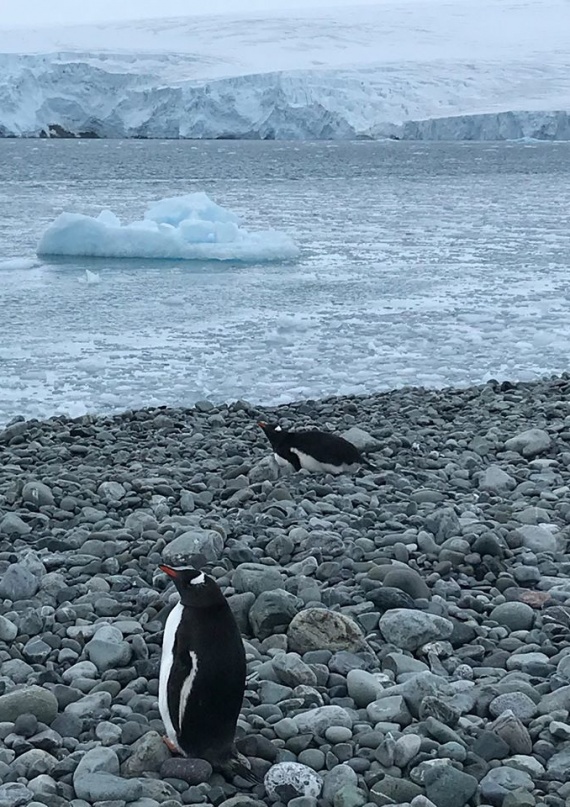
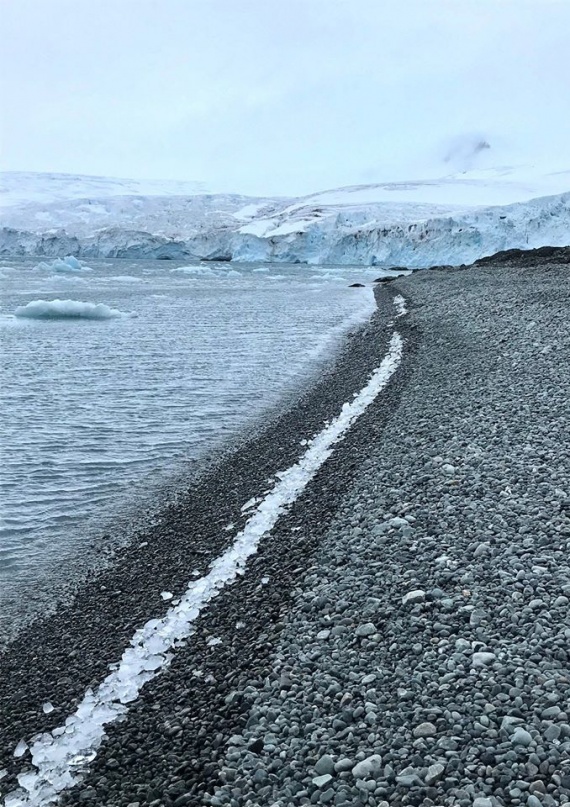
The beach – gray in colour, stony, small and large round stones constantly rolled by the water.
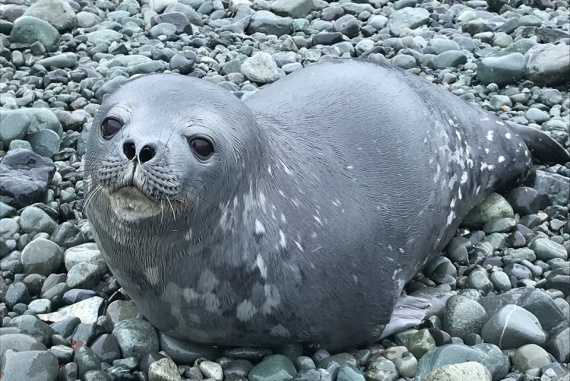
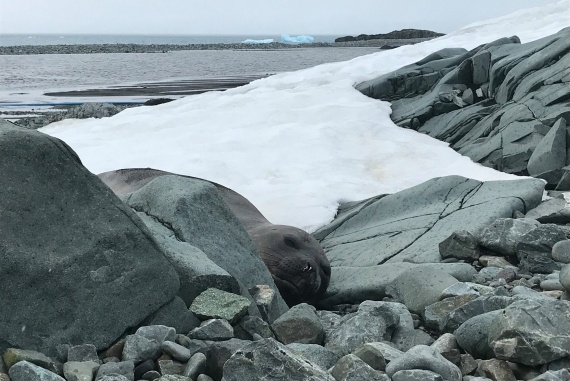
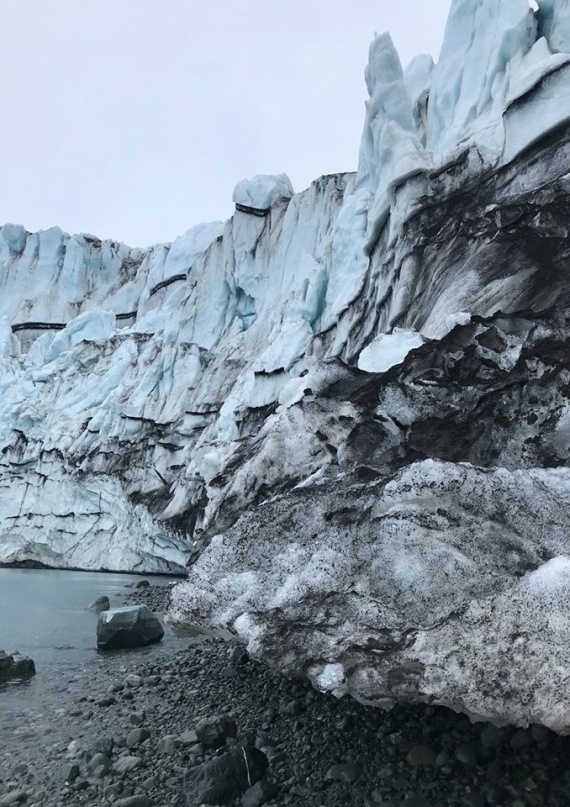
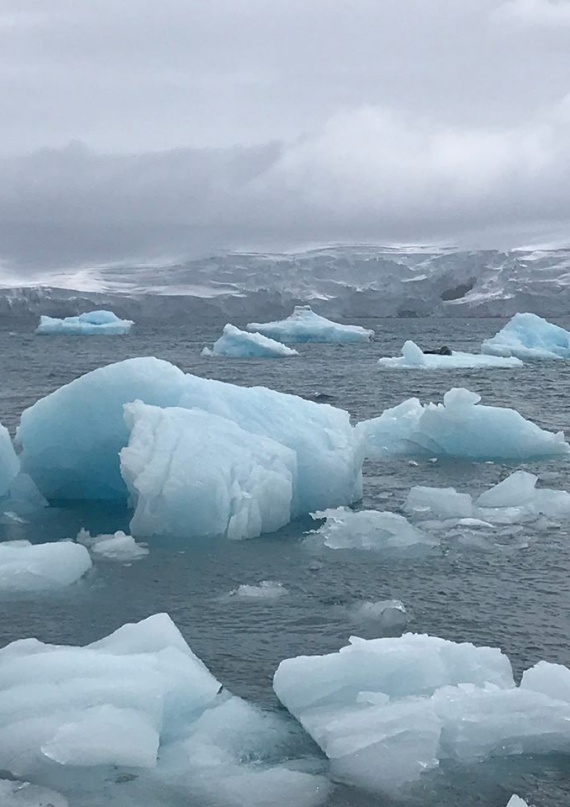
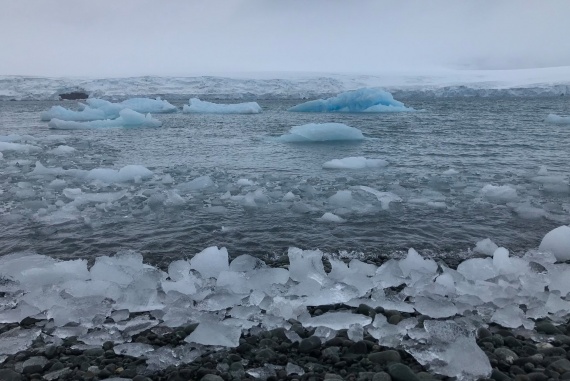
The sounds – of crackling ice, of sliding of huge glacier masses, of rolling stones on the waves, of cries of the birds and the "burps" of the seals. But the most impressive is the ice and its "music" caused by its melting.
The light – it’s different every day, changes several times a day. At that moment of the year day and night merge, practically it doesn't get dark. Over time one starts getting used to it recognizing the subtle shades of light that suggest the time. Dynamic climate changes, the onset of rain, as well as the often shifts of clouds, winds and lights also contribute to the feeling that one day consists of many days. There are clear and sunny hours with calm water and then nothing but the opposite glacier tells you where you are exactly. There are moments when it blows and rains so violently and all the harshness and cold are felt double.
I've been in town for a few days wondering what exactly the „Antarctic Contagion“ is. But I haven't got an answer so far.